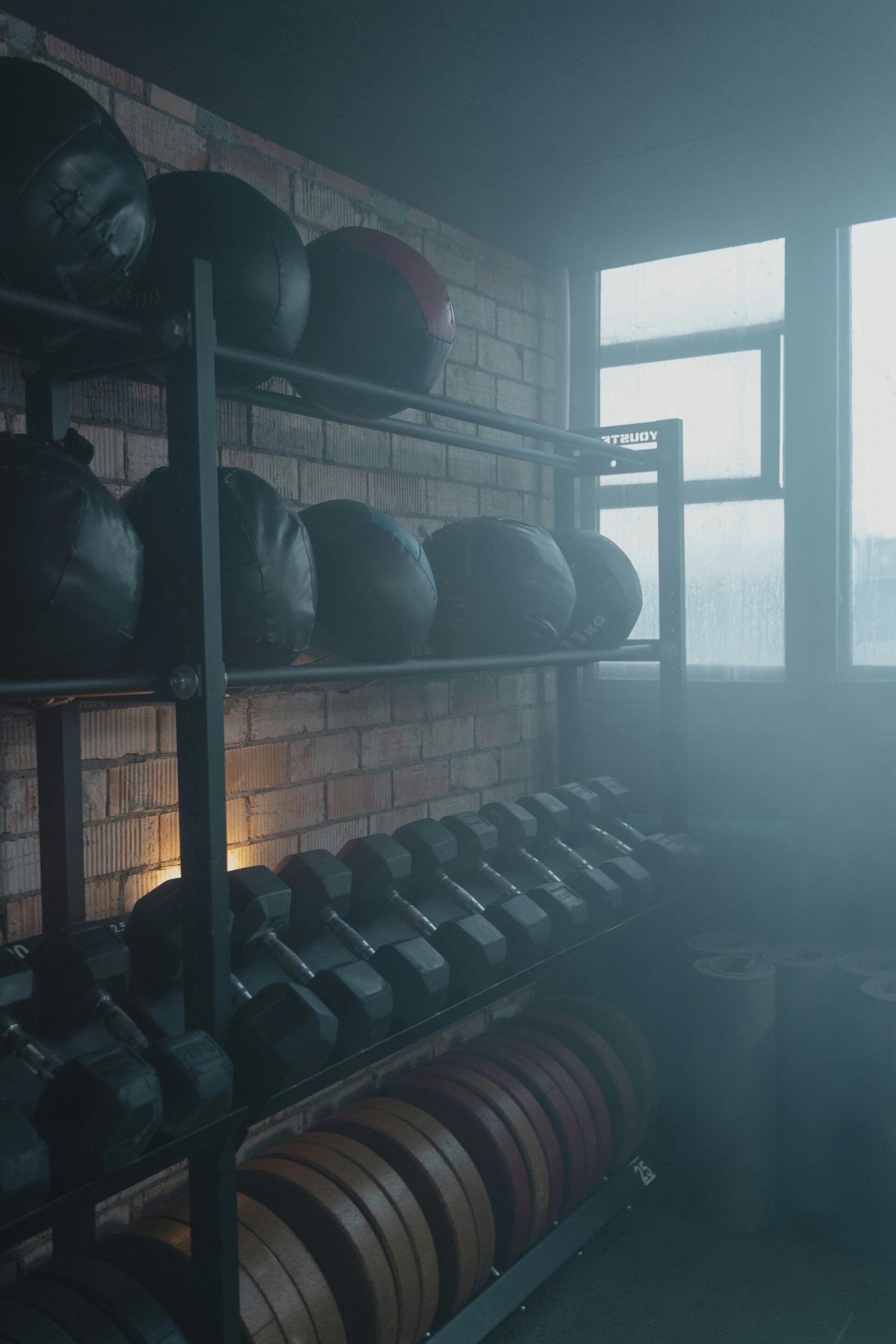
Why Influencer Culture?
With the rapid rise in popularity of social media, its creators have gained more attention than ever before. Some of these creators don't use their platform for good, rather they lie to sell a product or to build their platform even more. This website will specifically pertain to the influencer gym community. People often face judgment in the gym or unrealistic expectations about their body. I want to promote honesty and transparency within the fitness community.
Fitness Influencers
Fitness influencers are creators that focus their content on fitness, diet, workout routines and more. For many, these spaces provide motivation and information about a topic they are passionate about. However, most can't tell if they are being sold something or being fed lies. Just because a creator has a desirable body or lifestyle does not mean their information or products are credible.


Promotion
Fitness influencers will sell misinformation just for the sake of promotion. The reason they sell misinformation is only to continue to promote their brand and their page. I always urge people to be warry of those who are selling something and to check their credibility. Many people are discouraged from the gym community are they follow a diet plan and workout routines online. Everyone's bodies and lifestyles are different, what may work for them might not work for you.

Qualifications
It takes zero qualifications to become a fitness influencer, yet viewers often don't question their opinions on nutrition and fitness. With often no prior experience or education about nutrition, fitness influencers speak on what they follow to achieve their body. These claims can harm the viewer as they think if they follow their influencers program they will reach that body.
Julia Scott from "The Ithacan" in 2023 wrote, "I thought there was something wrong with me because I followed information from fitness influencers but never saw any changes". She spoke of this when referencing herself in middle school struggling with body image issues. This is a prime example of vulnerable people being taken advantage of by unrealistic ideals set by social media influencers.
Personal Note
Why this topic? I chose the rise of influencer culture, specifically the rise of fitness influencers because of my experience with them. I felt like I was constantly being fed a desirable body type to achieve and being put down if I did not have that body. It's very difficult to get other people to understand the best way to improve themselves in not by trying to become someone else. I want to create this with the hope of sharing how it's good to surround yourself with content that encourages you to be healthy, but to always take strangers advice with a grain of salt. It's important to do your own research from creditable sources prior to making decisions about your health. There is no one perfect workout or diet plan because everyone is different. Additionally, I don't want other women to face the negative comments about their body or outfits. I have personally been shamed for wearing leggings by a man, which are a completely acceptable item of clothing in and out of the gym.

Diversity in the Gym
Some groups of people often feel scared or intimidated to go to the gym in fear of judgement. "Normal" by Robert McRuer states, "'Normal' carries with it a history of discursive and literal violence against those who could never hope to be described by the term". I put this quote in to show how many people who enter the gym space often don't feel "normal". With influencer culture shaming people who don't have idealistic body types, many people feel judgment in the gym community. Recently within the fitness influencer community, they complain about the massive crowds of "New Year's Resolution" people. Beginners can feel out of place when people complain that they are in a shared space, despite their intentions being only to improve themselves and their health.
Women in the Gym
Gender roles within the fitness community drastically impact the type of content you will consume. Women have been demonized within the gym community for the clothes they wear while working out. There is massive controversy within the fitness community about this topic. Women have historically been made to dress in order to limit their freedom and autonomy. Sister Outsider by Audre Lorde said, "We find ourselves having to repeat and relearn the same old lessons over and over that our mothers did because we do not pass on what we have learned". I share this because when women are told to dress a certain way in order to be more modest or in light of men, we repeat history. Women should not be shamed for wearing workout appropriate clothes to the gym or have to avoid wearing something because they are afraid to get negative attention from men.


Positive Influence
Even though I have painted fitness influencer culture to be negative, it's not always the case. There are some creators whose goal is to promote positivity, not to conform to and idealistic standard. A couple of my favorite fitness influencers include "The Joel" and "Shebulk". These women promote healthy, realistic improvements to your health. Not striving to be the smallest version of yourself. Just like in "Gender & Pop Culture", "for an animated character, she was realistic. Further, differing from most princess movies, her goal was not to find a husband but rather to find herself and mend her relationship with her mother." This quote reminded me of these influencers because they weren't like many other fitness influencers. They constantly promote being strong, happy with yourself and educated. These women bring light into the fitness community, not shaming or putting down anyone. They invite everyone into the gym community and make them feel welcomed and not alone. It can be difficult to remind yourself how you don't need to look like the most famous influencers to be happy. It's important to peace within your body and life for your pursuit of happiness.
References
Burgett, B., & Hendler, G. (2014). Keywords for American Cultural Studies, Second Edition. NYU Press.
Lorde, A. (1984). Sister Outsider: Essays and Speeches. Penguin Books.
Scott, J. (2023, April 5). Commentary: Fitness influencers are harmful sources. The Ithacan. https://theithacan.org/47091/opinion/commentary/commentary-fitness-influencers-are-harmful-sources/
Trier-Bieniek, A., & Leavy, P. (2014). Gender & pop culture: a text-reader. Rotterdam Sense Publishers.
Create Your Own Website With Webador